
How to Prepare Your Child for Dyslexia Testing
Dyslexia testing can feel intimidating for kids and parents alike. Here’s a warm, practical guide to preparing your child: what to say, what to pack, and how to keep testing day calm, low-pressure, and even a little bit fun.

Mispronouncing Long Words: A Dyslexia Red Flag
Many children who mispronounce long or unfamiliar words are showing an early sign tied to how the brain processes sounds. Here’s what mispronouncing words can mean, when it’s typical, and when it may point toward dyslexia worth screening for.
Why Dyslexic Children Struggle With Spelling Tests
If your child studies the spelling list all week and still blanks on test day, you are not imagining it. Here is what makes spelling uniquely hard for kids with dyslexia, and the steps that can genuinely help them improve.
Dyslexia and Problems With Telling Time
Many parents notice their dyslexic child struggles to read a clock or sense how time passes. Here’s why dyslexia and telling time are connected, the signs worth watching, and gentle ways to help your child learn at home.

Why Rhyming Is Hard for Dyslexic Children
Many dyslexic children struggle to rhyme even when they’re bright and verbal, because rhyming depends on the same sound-processing skills that reading is built on. Here’s why it happens, what’s typical by age, and when to seek a screening.
Dyslexia and Trouble Learning the Alphabet
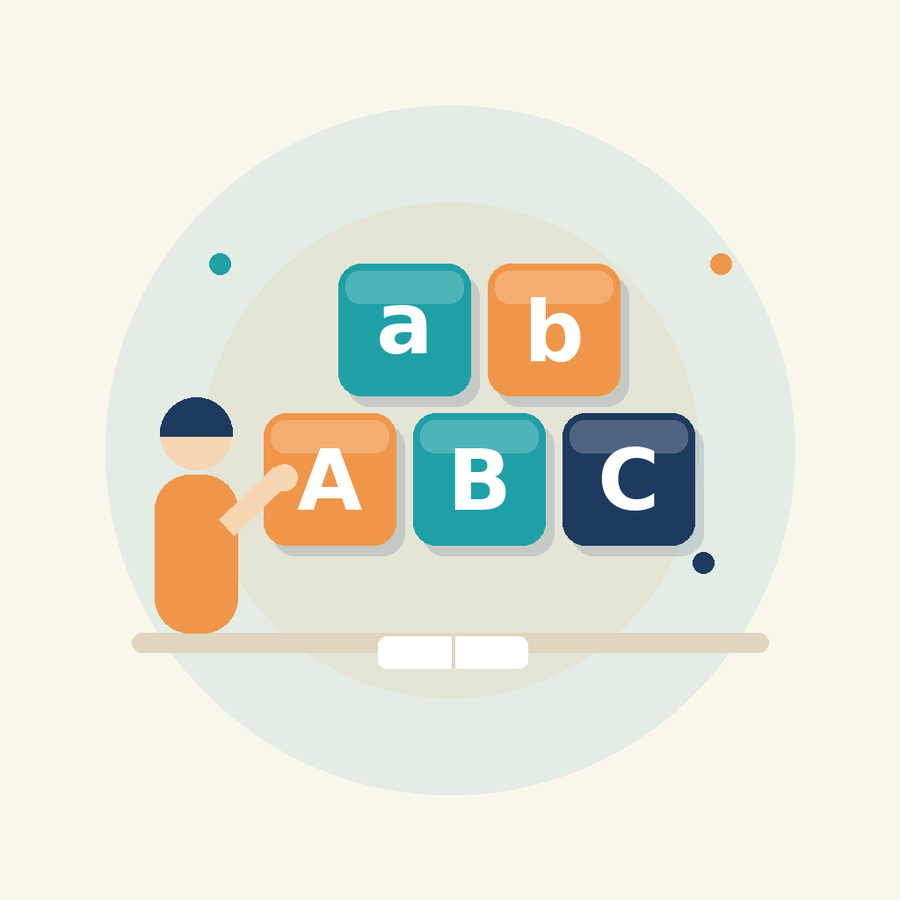
Many kids take time to master their ABCs, but some struggles run deeper. Here's how to tell ordinary alphabet learning from an early sign of dyslexia, and the simple next step that gives you clarity without the wait.
Dyslexia and Skipping Words While Reading
Does your child leave out words when reading aloud? Skipping words is common, but a steady pattern can point to deeper reading struggles. Here’s what it means, why it happens, and the simple steps that help you find real answers.
Why Dyslexic Children Avoid Reading
If your child melts down at homework time or “forgets” their reading book every night, avoidance may be more than stubbornness. Here’s how reading avoidance connects to dyslexia, and the gentle first steps that help.

Dyslexia and Poor Handwriting: The Connection
Messy, slow, or painful handwriting often shows up alongside reading struggles, and there is a real reason why. Here is how dyslexia and handwriting are connected, how it differs from dysgraphia, and the practical steps that help your child most.

When Your Child Can’t Remember Sight Words
Studying the same words every night and still forgetting them by morning is one of the most common patterns parents notice before a dyslexia diagnosis. Here’s why it happens, how to tell normal forgetting from a red flag, and what to try at home.

Can Babies Show Signs of Dyslexia?
Babies can’t be diagnosed with dyslexia, but early risk factors and language patterns can appear years before reading begins. Here’s what to watch for from birth to age three — and the calm next steps if you notice them.

Late-Diagnosed Dyslexia: What Happens When You Miss It
When dyslexia goes unidentified for years, the effects reach far beyond reading. Here’s what late diagnosis really costs a child, the signs that often get missed, and the steps parents can take to turn things around at any age.

Dyslexia and English Language Learners: How to Tell the Difference
When a bilingual child struggles to read, is it dyslexia or the normal work of learning English? This guide breaks down the overlapping signs, what points to each, and how a fair evaluation tells them apart for multilingual kids.

Twice Exceptional: When Giftedness Masks Dyslexia
Some children are gifted and dyslexic at the same time, and their intelligence hides the reading struggle for years. Here is how twice exceptional dyslexia shows up, why it gets missed, and what parents can do next.

Why Gifted Children With Dyslexia Get Missed
Bright, articulate, and quick to grasp big ideas, yet quietly struggling to read. When giftedness and dyslexia occur together, each can mask the other, leaving twice-exceptional kids overlooked for years. Here’s why it happens and what parents can do about it.
Dyslexia in Boys vs Girls: Why Boys Get Diagnosed More
Boys are diagnosed with dyslexia far more often than girls — but research suggests both are affected at nearly equal rates. Here’s why so many girls slip through undetected, what their struggle looks like, and how to make sure your daughter isn’t overlooked.

How Dyslexia Presents Differently in Girls
Girls with dyslexia often work harder, mask their struggles, and get diagnosed years late. Here are the quiet signs parents miss, why girls slip under the radar, and the simple first steps to get your daughter the support she needs.

Adult Dyslexia: Signs You Were Never Diagnosed
Struggled with reading, spelling, or paperwork your whole life? You may have undiagnosed dyslexia. Learn the adult dyslexia signs, why so many people are never identified, and what recognizing them could mean for you and your children.

Dyslexia Signs in Teenagers: What Looks Different
Wondering if your teenager might have dyslexia? By the teen years the signs look different — slow reading, avoidance, weak spelling, and school anxiety. Here’s what to watch for, why it’s so easily missed, and how a free screening can give you answers.

How Dyslexia Affects High School Students
By high school, dyslexia often hides behind years of coping strategies while the reading and writing load keeps climbing. Learn how dyslexia affects high schoolers, the signs to watch for, and how the right support protects their grades, confidence, and future.